


With warmer weather and longer days, spring offers the perfect opportunity to spend more time outside. Whether you’re hiking, gardening, or simply enjoying a stroll through the neighborhood, it’s important to prioritize your health and safety during outdoor activities.
Blog
Seasonal Wellness
Mar 31, 2025
Spring Safety Tips: Staying Healthy During Outdoor Activities
Stay Hydrated:
As temperatures rise, staying hydrated becomes more important. Even mild dehydration can lead to headaches, fatigue, and dizziness. Keep a water bottle handy and drink regularly, especially if you’re engaging in physical activity. If you plan on being outside for an extended period, consider sports drinks with electrolytes to maintain proper hydration levels.
Wear Sunscreen:
April might not feel like summer, but UV rays can still cause damage even on cloudy or cool days. Apply a broad-spectrum sunscreen with SPF 30 or higher at least 15 minutes before heading outside, and don’t forget areas like your ears, neck, and the tops of your feet. Reapply every two hours or after swimming or sweating.
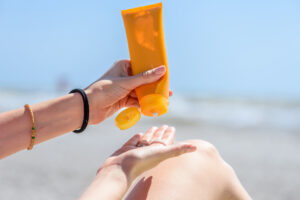
Don’t Forget the SPF! Even mild spring sunshine can cause burns.
Dress Appropriately:
Light, breathable fabrics help regulate body temperature and prevent heat exhaustion. When participating in outdoor sports or activities, choose moisture-wicking clothing designed to keep you cool and dry.
Be Mindful of Allergies:
Pollen counts peak during spring, triggering symptoms like sneezing, itchy eyes, and congestion for many people. To reduce exposure, check daily pollen forecasts, keep windows closed, and shower after spending time outdoors. If symptoms persist, consider over-the-counter antihistamines or consult a medical professional.
Avoid Overexertion:
It’s easy to get carried away when enjoying the fresh air but pushing your body too hard can lead to injuries. Warm up before physical activity, pace yourself, and listen to your body’s signals. If you feel lightheaded, dizzy, or overly fatigued, take a break.
If you experience heat exhaustion, dehydration, or injuries while enjoying the outdoors, visit your nearest Ally Medical ER—open 24/7 to provide expert care.
Share:
Related Posts
ConditionsSeasonal Wellness
January 31, 2026
Dehydration in Winter: Yes, It Can Still Happen
Dehydration is often associated with hot summer weather, but it can be just as common, and just as dangerous, during the winter months. Cold temperatures, dry air, and seasonal illnesses can all contribute to fluid loss, sometimes without people realizing it.
ConditionsSeasonal Wellness
January 30, 2026
High Fever in Children: What’s Normal and What’s Not
Fevers are one of the most common reasons parents seek medical care for their children. While a fever can be a normal response to infection, certain temperatures, especially at specific ages, may signal the need for emergency evaluation.
ConditionsSeasonal Wellness
January 29, 2026
Slips, Falls, and Wipe-outs: When a Fall Needs ER Care
Slips, falls, and wipe-outs are more common during winter months, when wet pavement, icy surfaces, and bulky footwear increase the risk of losing balance. While some falls result in minor bumps or bruises, others can cause serious injuries that require emergency care.